Leveraging AI to Enhance Family Caregiving
Caregiving is deeply human. It’s grounded in love, responsibility, and the desire to ensure our loved ones are safe, supported, and dignified as they age. But in today’s world, caregiving is also evolving—thanks to artificial intelligence. Whether you’re a daughter coordinating care for your aging father, or a spouse supporting a partner with chronic illness, AI offers tools that can lighten the load, enhance safety, and provide peace of mind in ways we couldn’t have imagined even a decade ago.
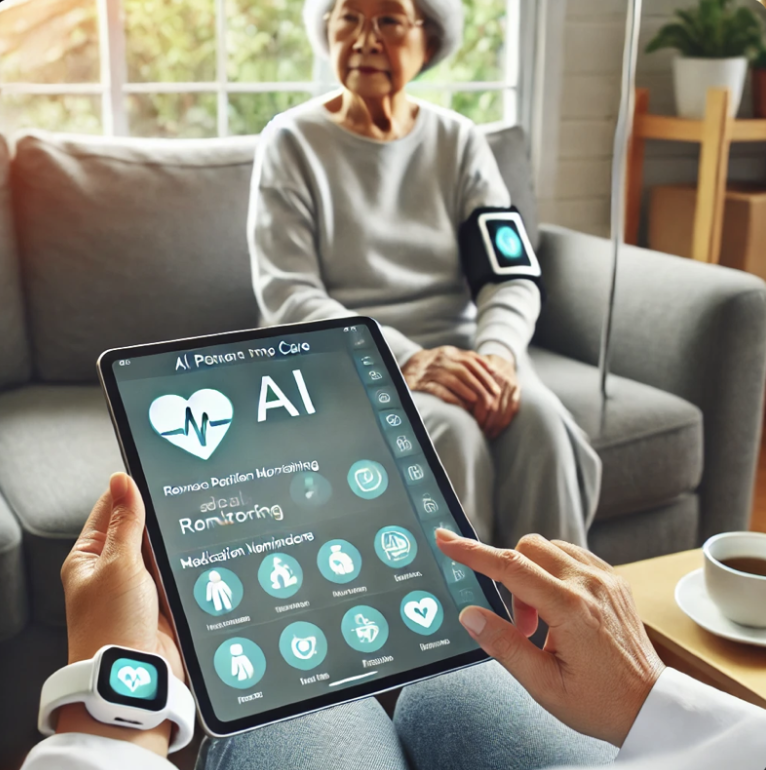
Caregivers often carry invisible weight—tracking medications, responding to health changes, managing appointments, and checking in constantly. AI can help by serving as a quiet, reliable partner in the background. Smart systems today can monitor vital signs in real time, detect abnormal patterns, and notify families or professionals before something escalates. For example, AI-powered health monitors can track sleep, blood pressure, or mobility habits—offering insights that help families take action early, not after an emergency. The result? Proactive caregiving that shifts the model from reactive crisis management to early support.
One of the most relatable examples of AI’s impact is medication management. Missed doses and confusion are common, especially when multiple prescriptions are involved. AI-powered devices can now alert individuals when it’s time for a dose, and some systems can even detect whether the medication was actually taken. Families no longer need to guess or worry from a distance. These tools provide clarity and accountability—without disrupting independence.
Caregiving isn’t only about physical health—it’s also about emotional wellbeing. Many older adults live alone, and feelings of loneliness or disconnection can impact overall health. AI is helping bridge this gap. Voice assistants, virtual companions, and communication hubs allow individuals to stay connected with family, access entertainment, or receive spoken reminders—all through natural, friendly interactions. These tools aren’t replacing human contact, but they are enhancing the quality of everyday life.
Smart home integrations are also redefining what “aging in place” really means. Automated lights that turn on when someone enters the room, fall detection that doesn’t require a button press, and voice-activated emergency calls are no longer futuristic—they’re available now. For families, these systems offer peace of mind. For caregivers, they enable safer environments without requiring constant supervision. And for older adults, they offer control and dignity.
Making Tech Work for Real People
Let’s be honest—tech is only helpful when it’s easy to use. That’s why Garrison Care goes beyond just recommending tools. We help families understand, select, and adopt AI-driven support that aligns with their needs. And for those new to technology, I.T.-DPG (our digital guidance program) provides one-on-one support and group workshops that build tech confidence. Whether it’s setting up a smart speaker or learning how to use a fall detection app, we help both caregivers and older adults feel empowered—not overwhelmed—by the tools that can enhance daily care.
Final Thoughts
At Garrison Care, we believe the future of caregiving is a partnership—between people, families, and technology. AI will never replace compassion, presence, or human judgment. But it can reinforce them. It can offer families more clarity, caregivers more insight, and individuals more independence.
For those navigating the complexities of aging in place, AI doesn’t just represent convenience. It represents hope—hope for safer days, better routines, and more time to focus on what really matters: connection, comfort, and care.
Want to learn how Garrison Care integrates smart technology into personalized care plans?
Contact us at info@garrisoncare.com to explore your options.
Thought-Provoking Questions:
How do you see AI changing the role of caregivers in the next five years?
What excites you—or concerns you—about this shift?
By commenting, you agree to our Comment Moderation Policy.