
Caregiving Guides for Families
Structured guides on the topics adult children are quietly navigating — written to give families a clear, steady starting point. Each guide accompanies an issue of The Care Standard.

Private Home Care Cost in Ontario: How to Pay and What You're Actually Buying
When families begin exploring private home care cost in Ontario, the first question often sounds financial. In practice, it quickly becomes something more personal, what does good care actually include, and how do you know you're choosing the right kind of support?
This guide breaks down what shapes the value of a care plan, the questions worth asking before comparing providers, and how to recognize when it might be time to revisit your current support.
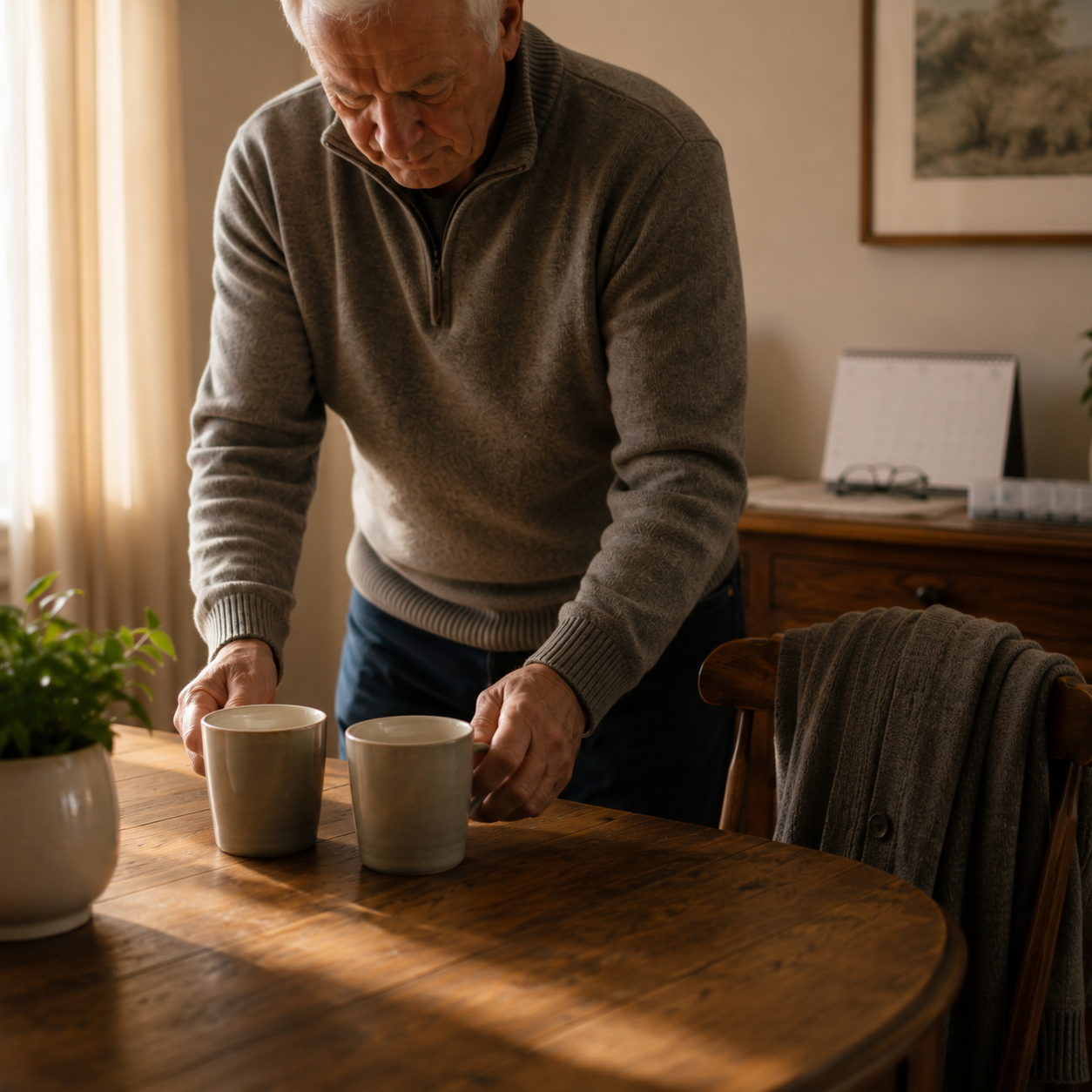
Aging Parent Caring for a Spouse at Home: Warning Signs Families Miss
When an aging parent is caring for a spouse at home, the household may appear stable while one person gradually takes on more than the family realizes. The signs are often subtle: disrupted sleep, missed appointments, reduced social contact, or routines that no longer run as smoothly.
This guide explains why spousal caregiver strain is easy to miss, which patterns deserve a closer look, and how families can begin a respectful conversation about support without taking control away.

What to Do When Your Aging Parent Refuses Home Care
When an aging parent refuses home care, families often find themselves caught between real concern and genuine respect. This guide explains why refusal happens, how to begin the conversation differently, and when outside support may be worth considering.
The focus isn't on winning an argument. It's on understanding what independence means to your parent and finding a path that keeps them involved in decisions about their own life.

What to Set Up at Home After a Parent's Hospital Discharge in Ontario
Hospital discharge often happens faster than families expect. One day a parent is in a hospital bed; the next, the family is trying to figure out what needs to be in place before they come home. Most families are working this out for the first time, under pressure, with incomplete information.
This practical guide covers what to set up at home after a hospital discharge in Ontario, the home environment, the support to arrange, how to coordinate the family before gaps appear, who to call, and how to know when professional coordination support would make the next few days clearer.

What Does Home Care Include in Ontario? A Plain-Language Guide for Families
Most families begin looking into home care before they fully understand what it involves. The gap between what families assume home care covers and what it actually includes is one of the most common sources of confusion.
This plain-language guide explains what home care can include in Ontario, how public and private options may differ, what families should expect from a provider, and how to recognize when support is beginning to fit.